How an airport transfer became part of Paris life
Behind every simple ride into the city is a deeper story of aviation growth, urban planning, and traveler habits that keep evolving.
Table of Contents
Why Paris needed a major new airport
By the middle of the twentieth century, Paris was already one of the world's most magnetic capitals for business, diplomacy, art, and tourism, yet its existing airports were struggling to absorb the scale of modern air travel. Jet aircraft were getting larger, passenger volumes were climbing fast, and city planners understood that the old infrastructure would not be enough for the decades ahead. A new airport in the northeast corridor was not just an engineering project, it was a strategic decision about how France would welcome the world.
That decision eventually produced Charles de Gaulle Airport, a place designed to function as both national gateway and international connector. From the beginning, one challenge stood out clearly: getting people between the airport and central Paris in a way that was reliable, affordable, and understandable. The CDG to city transfer story starts there, not with a single bus route, but with a larger promise that arrival in Paris should feel possible for everyone, not only for seasoned travelers.
The birth of Charles de Gaulle Airport
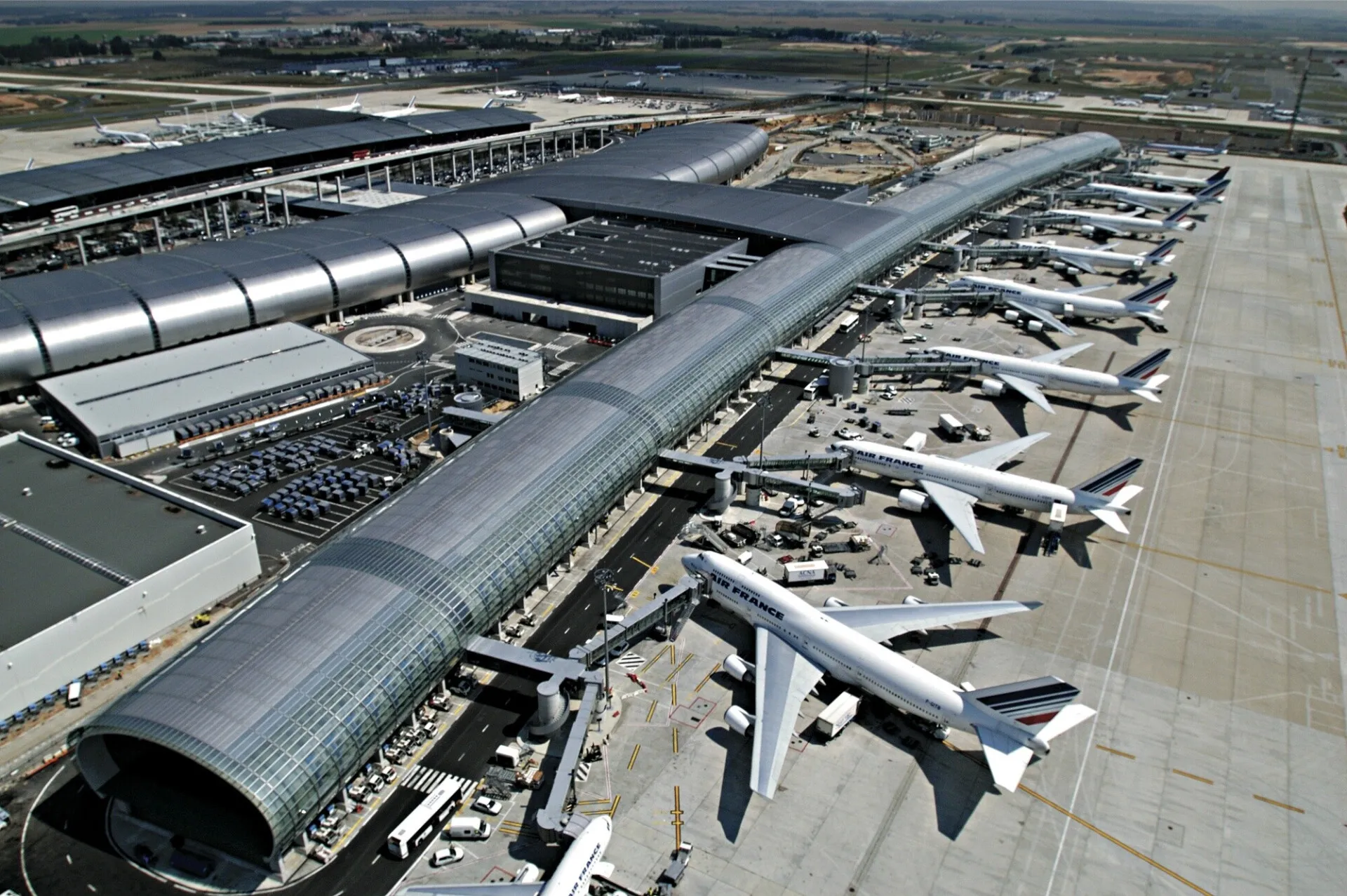
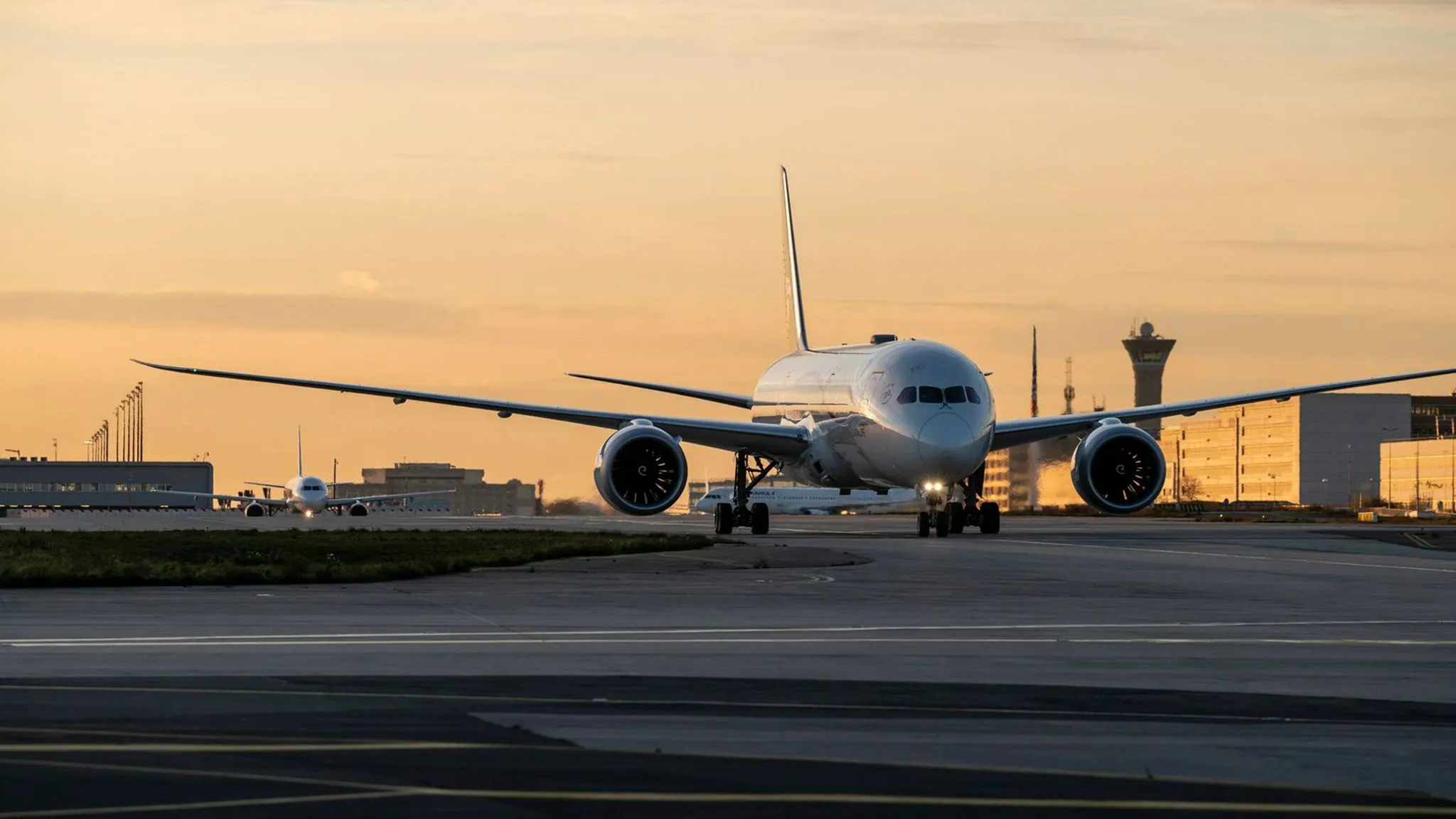
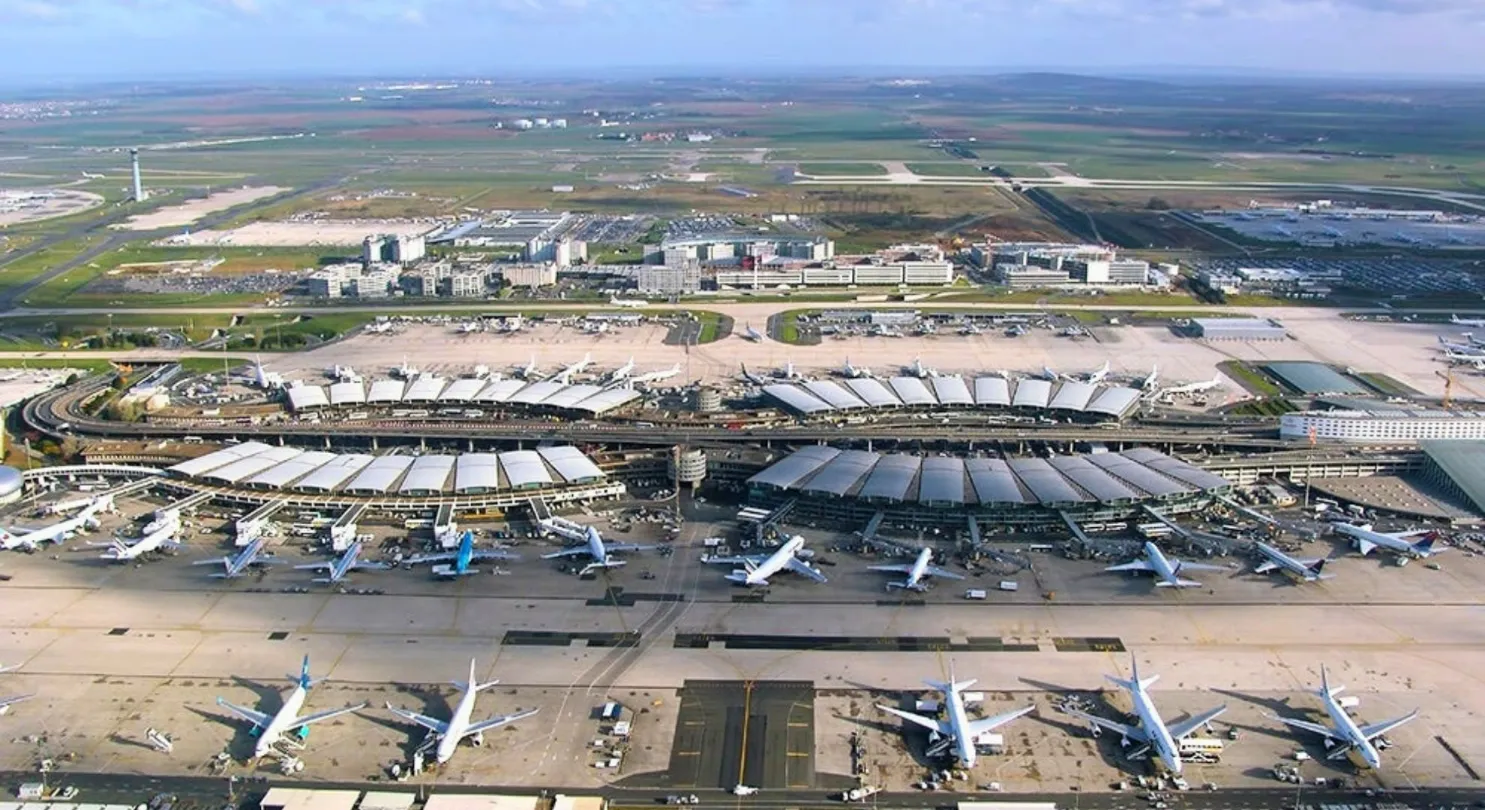
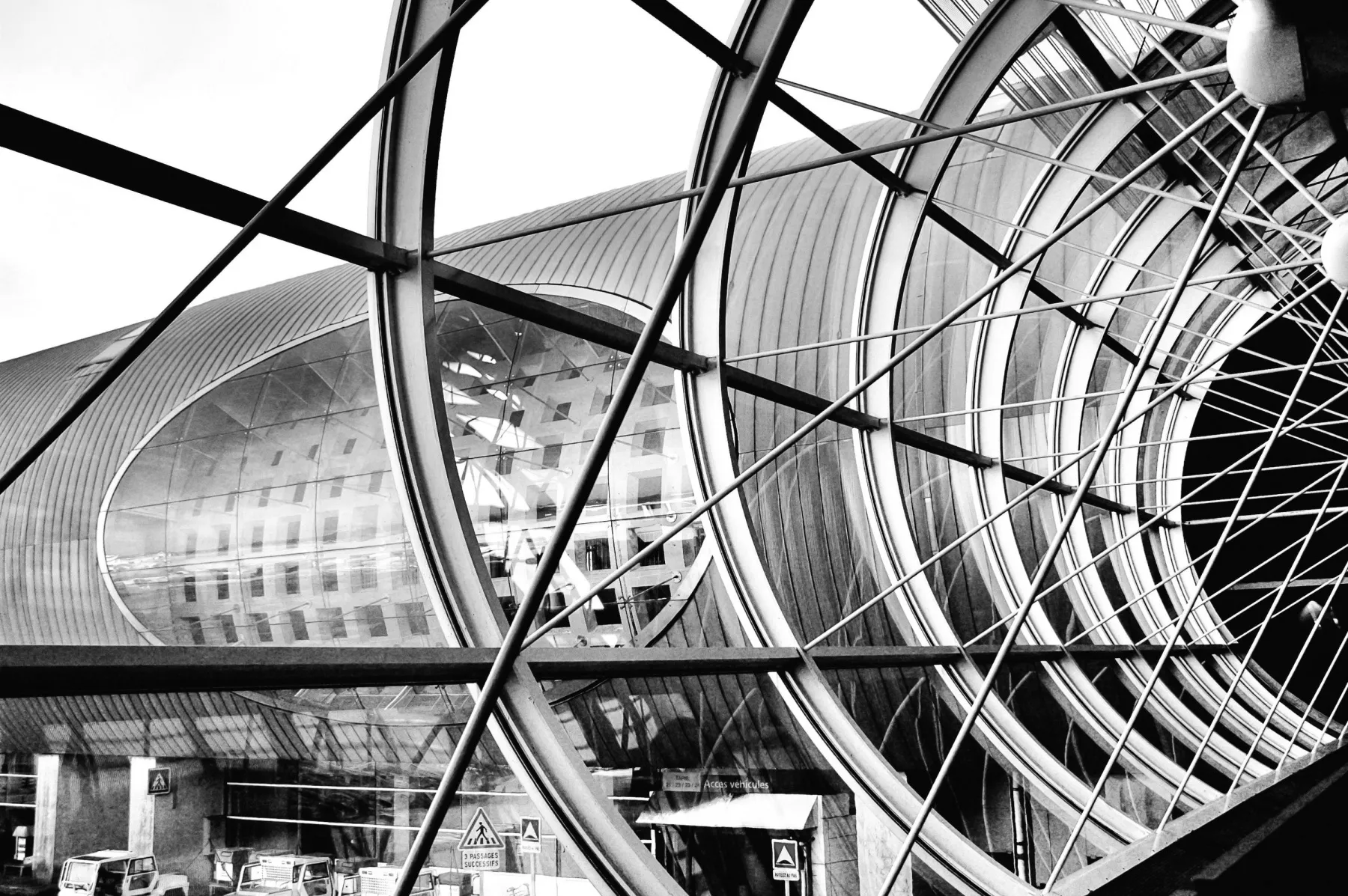
When Charles de Gaulle Airport opened in the 1970s, its architecture immediately drew attention. Circular forms, long corridors, and futuristic design choices reflected a confidence in aviation as the transport language of the future. Over time, terminals multiplied, airlines expanded, and the airport evolved into a vast ecosystem where transfer efficiency mattered as much as runway capacity.
As CDG grew, so did the complexity of moving passengers from terminal doors to Paris neighborhoods. Early transfer habits mixed taxis, rail, and coach style connections, but demand kept pushing for options that were clearer and more adaptable to different budgets. Shuttle services stepped into that space, offering a practical middle path between high cost private rides and more complex multi leg public routes.
Road links, rail links, and transfer pressure
Paris developed a layered transport network between airport and city, with roads, suburban rail, and intercity lines all playing a role. On paper, this diversity is a strength. In real travel situations, however, arriving passengers often prioritize simplicity over theoretical speed, especially after long haul flights, tight schedules, or language fatigue.
This is where transfer pressure becomes visible. A traveler with two suitcases, a family with sleepy children, or a first time visitor with limited data roaming often prefers one seat and one direction. Shuttle routes respond to that reality by reducing decision points. They may not always be the fastest in every traffic condition, but they are frequently the easiest to execute with confidence.
How shuttle services found their role
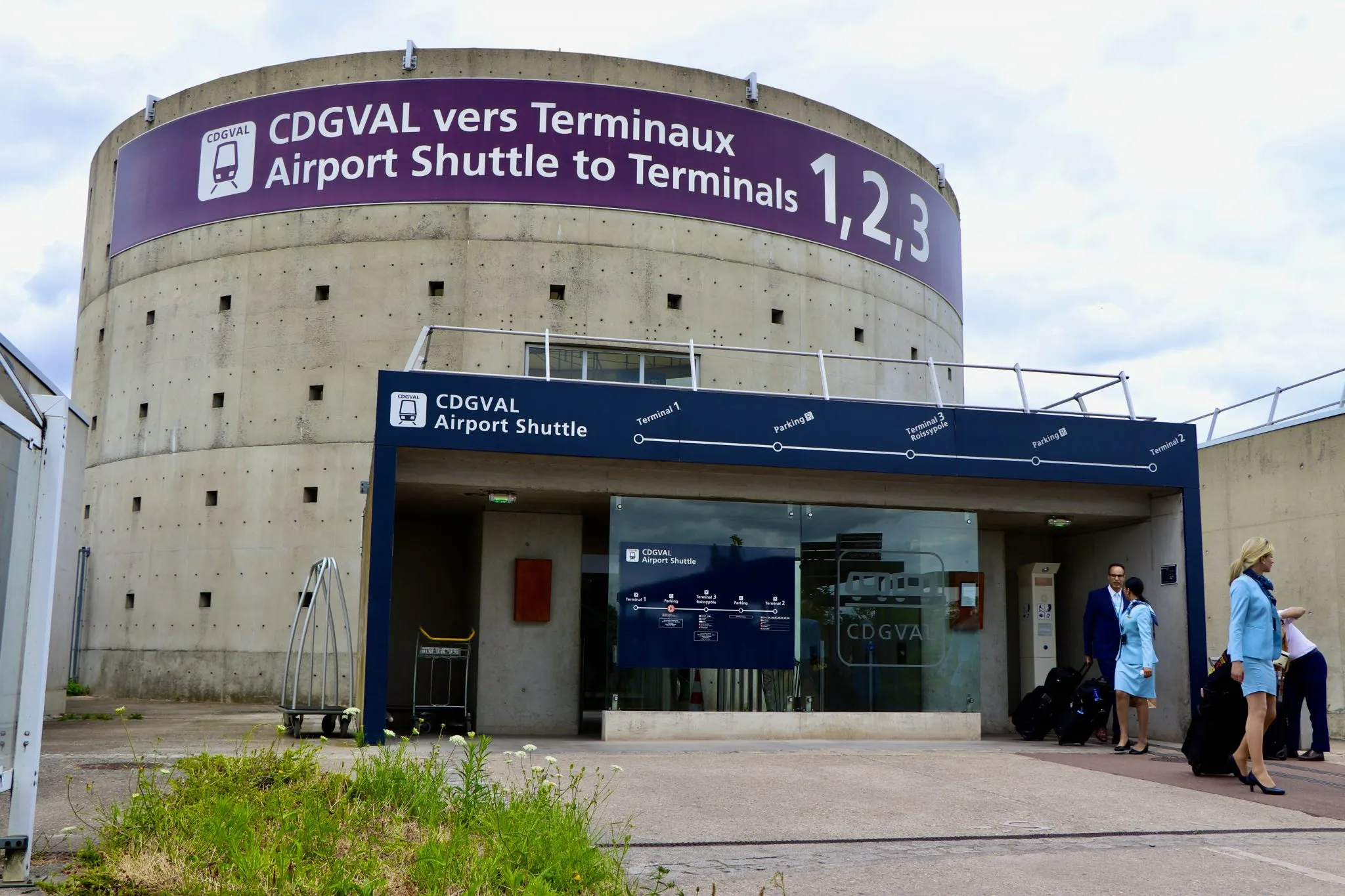
Over the years, shuttle offerings became more specialized. Some focused on affordability and fixed city hubs, others on smaller passenger groups and fewer stops, and some on hotel oriented convenience. This diversification reflects a simple truth: no single transfer style fits every traveler or every trip purpose.
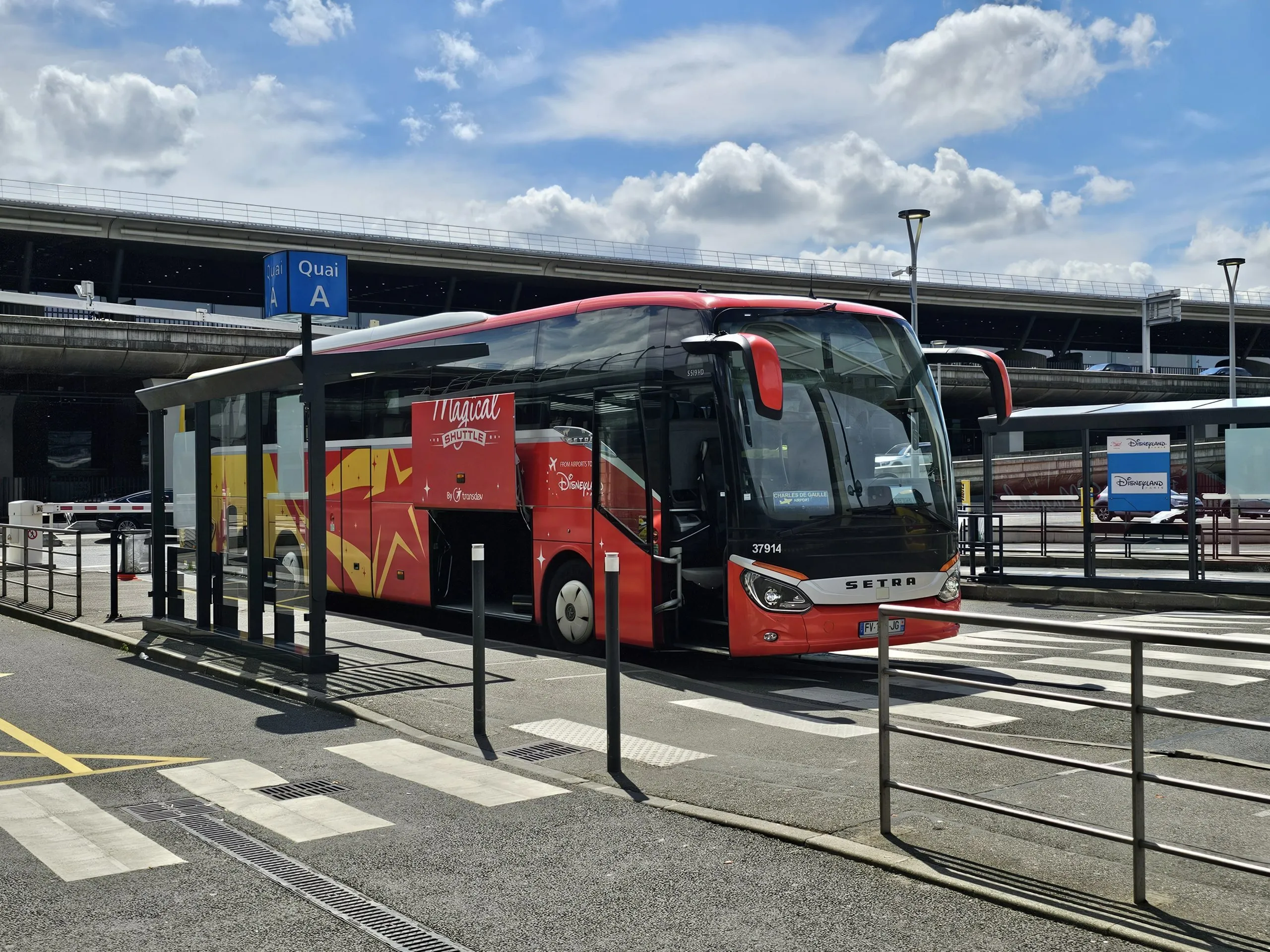
What made shuttles enduringly relevant was their practical design language. Clear pickup instructions, visible destination labels, predictable baggage handling, and straightforward boarding created trust. For many visitors, especially those landing in Paris for the first time, that trust is worth almost as much as raw journey time.
Terminals, traffic, and traveler behavior
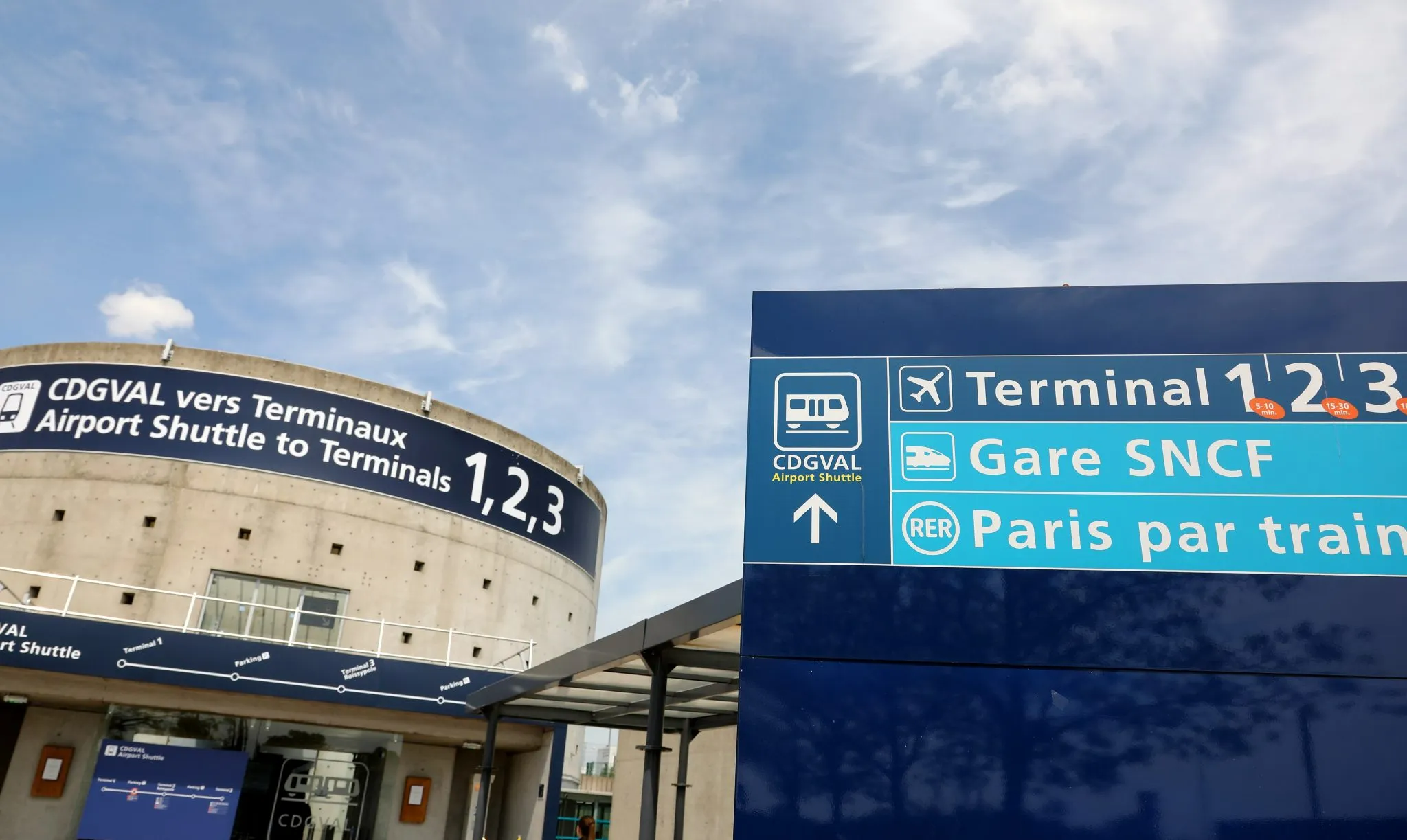
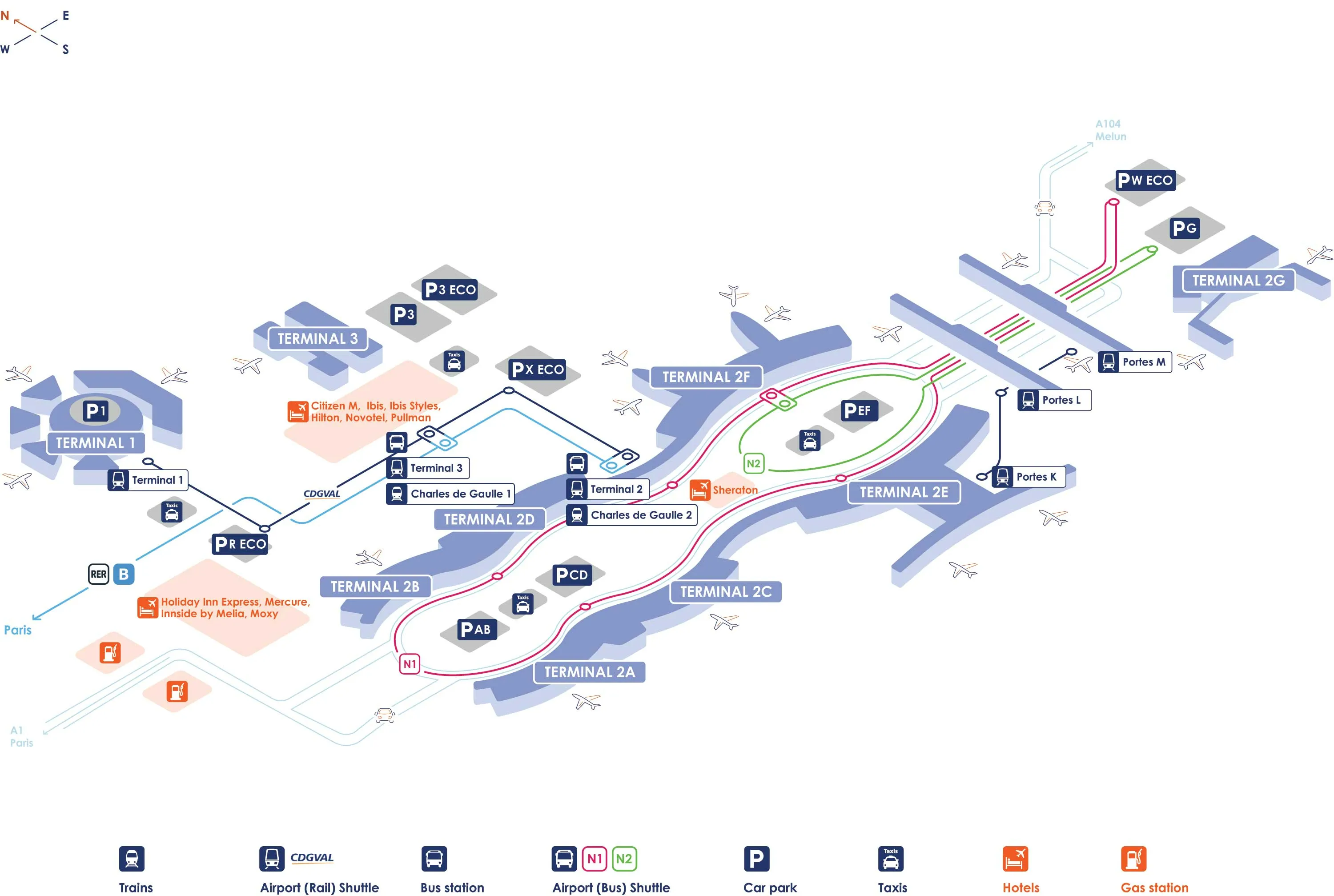
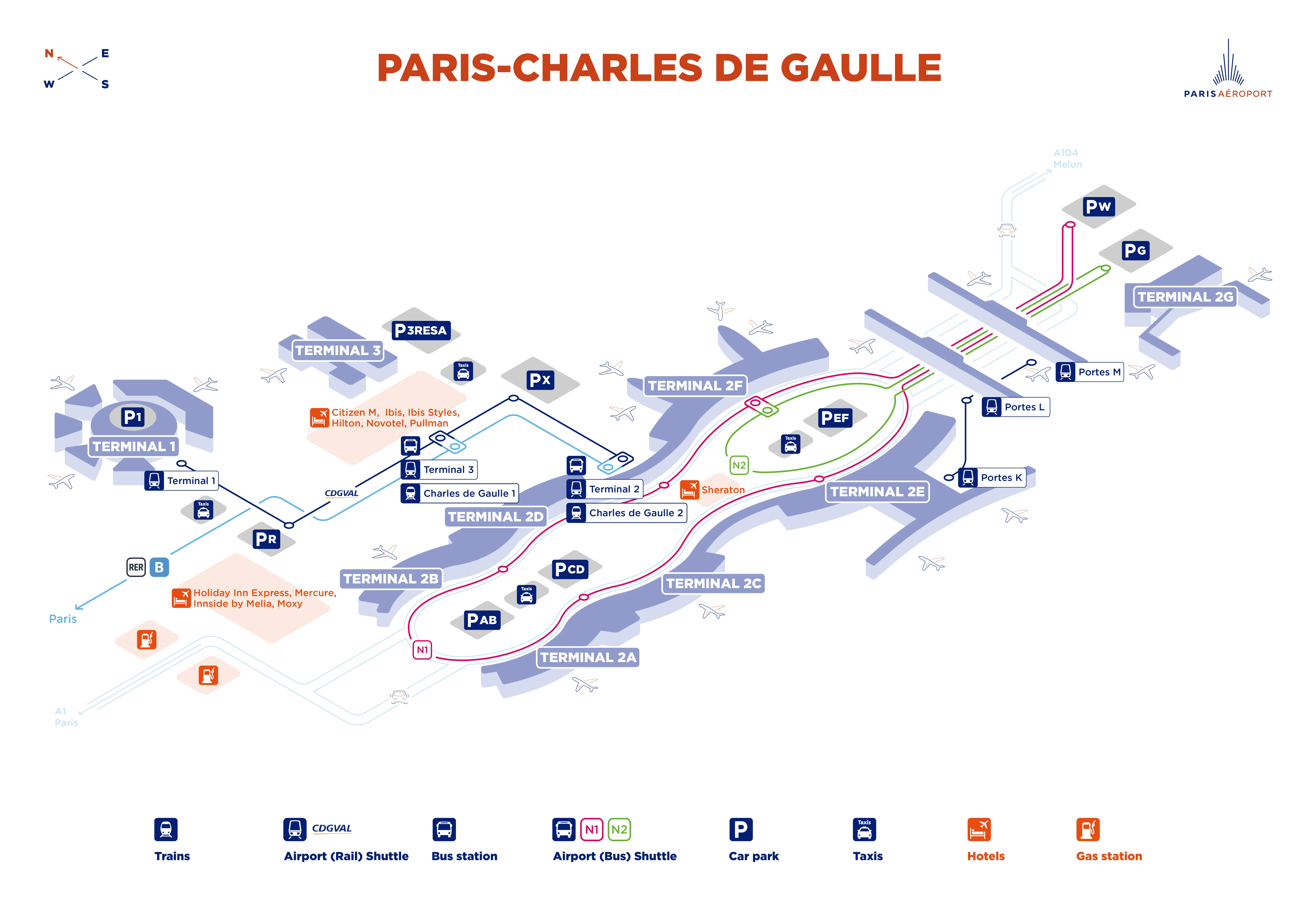
CDG is not a small airport, and terminal geography influences transfer experience more than most people expect. Two services with similar final drop off points can feel very different if one requires long internal walks or confusing pickup instructions. Good shuttle planning therefore starts at terminal compatibility, not just city destination.
Traffic adds the second major variable. Paris region roads are efficient in many windows and stubbornly slow in others. Experienced travelers now build a time buffer by default and choose departure slots that align with their day priorities. A calm arrival often comes from accepting this variability early rather than fighting it in real time.
Opera, stations, and city gateway hubs
Shuttle drop off strategy is built around gateway zones, places where onward movement is easy. Opera district remains popular because it combines hotel density, walkable boulevards, and strong metro access. Station neighborhoods such as Gare du Nord also matter for travelers continuing by domestic train or regional links.
These hubs are more than map points. They are transition spaces where airport energy turns into city rhythm. You step down from a shuttle, hear a different urban cadence, and begin your stay. Done well, this handoff feels natural, almost invisible, and that is exactly why these central nodes remain essential in transfer planning.
Business travel, tourism, and peak demand
Demand patterns on CDG routes mirror the city's economic and cultural pulse. Business weeks create sharp morning and evening transfer waves, while tourism seasons spread demand across wider daytime windows. Fashion events, major exhibitions, and holiday periods can quickly reshape loading patterns on central routes.
For operators, this means balancing frequency, fleet allocation, and communication quality. For travelers, it means one practical rule: if your day has fixed commitments, prebook and choose a conservative departure window. The more important your first appointment, the more valuable predictable transfer planning becomes.
Accessibility, safety, and practical design
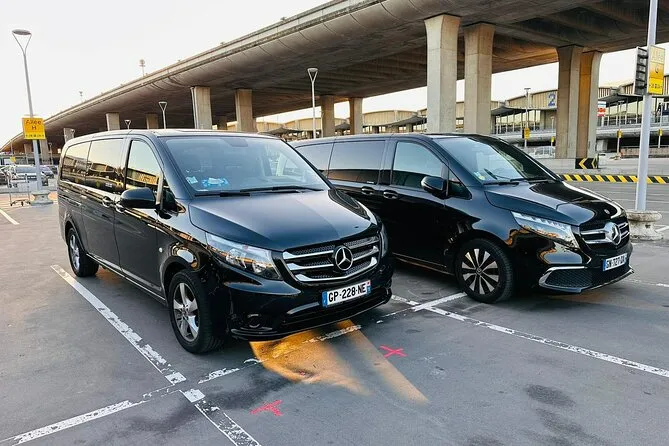
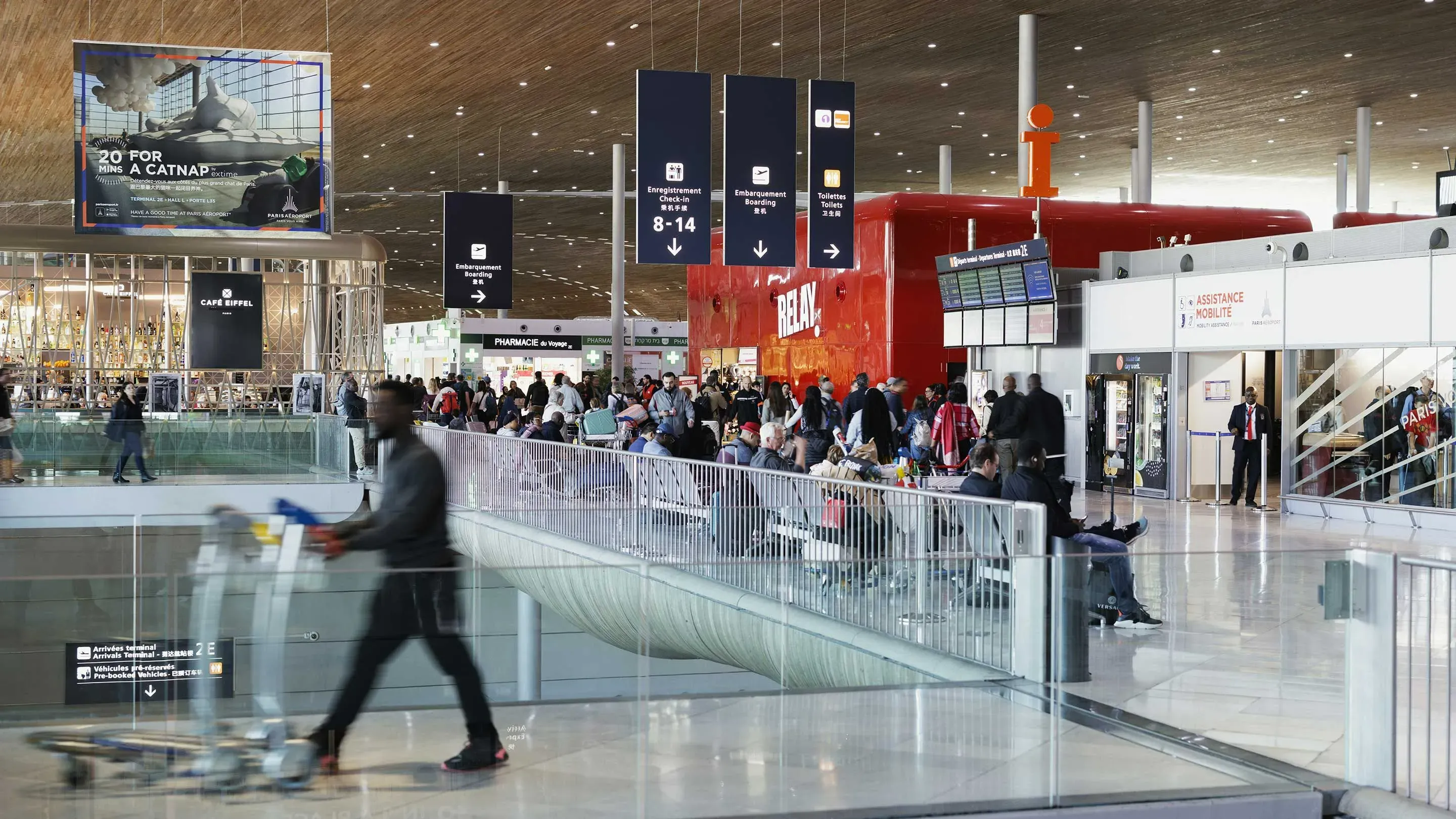
Modern transfer design is increasingly measured by inclusion. Clear signage, step aware boarding options, luggage handling assistance, and understandable customer support all affect whether a service is truly usable. Accessibility is not only about equipment; it is also about communication before and during the trip.
Safety in shuttle travel is generally straightforward: board at official points, confirm operator identity, keep valuables close, and follow staff instructions around loading zones. These habits are simple but powerful. They reduce uncertainty and make arrival logistics feel manageable even at busy terminals.
Strikes, weather, and operational resilience
Like every major European transport corridor, CDG to Paris routes are occasionally affected by rail strikes, weather disruptions, security events, or city wide demonstrations. During these moments, flexibility and communication quality become the true test of a transfer system.
Shuttles often play a stabilizing role when one part of the network is under pressure. Even if travel times grow, the ability to maintain visible pickup points and direct road based continuity can be extremely helpful. Travelers who monitor updates and keep backup options ready usually navigate these days with far less stress.
Tickets, pricing, and smart booking habits
Airport transfer pricing can look similar at first glance, but details matter. Luggage limits, stop counts, cancellation windows, and terminal specific instructions can change the real value of a ticket. Reading those details before purchase is often the difference between a smooth ride and avoidable friction.
Smart booking habits are practical, not complicated: compare by total journey logic, not only headline price; verify exact drop off area; save your confirmation offline; and build time margin around fixed commitments. These small habits pay off immediately, especially on arrival day when attention is already stretched.
Sustainability and lower impact mobility
As cities and travelers think more seriously about emissions, shared transfer modes gain renewed importance. A well loaded shuttle can reduce the number of individual car trips between airport and city, helping ease both congestion and environmental pressure in high demand corridors.
Sustainability, however, is also operational: efficient routing, modern fleets, and informed passenger choices all contribute. Selecting a transfer that combines practical convenience with shared mobility is one small decision that aligns comfort with broader urban responsibility.
What first time visitors should know
First arrivals in Paris are exciting, and sometimes a little overwhelming. The airport is large, signs can feel dense after a long flight, and every option looks urgent in the moment. The best approach is simple: pause, verify your pickup details, and follow one clear plan rather than improvising under pressure.
A small checklist goes a long way: terminal number, operator name, pickup zone, destination hub, and backup route if delays occur. With those five points confirmed, the rest of the transfer becomes much easier. You can look out the window, watch the city approach, and actually enjoy the beginning of your trip.
Why this transfer shapes your whole trip
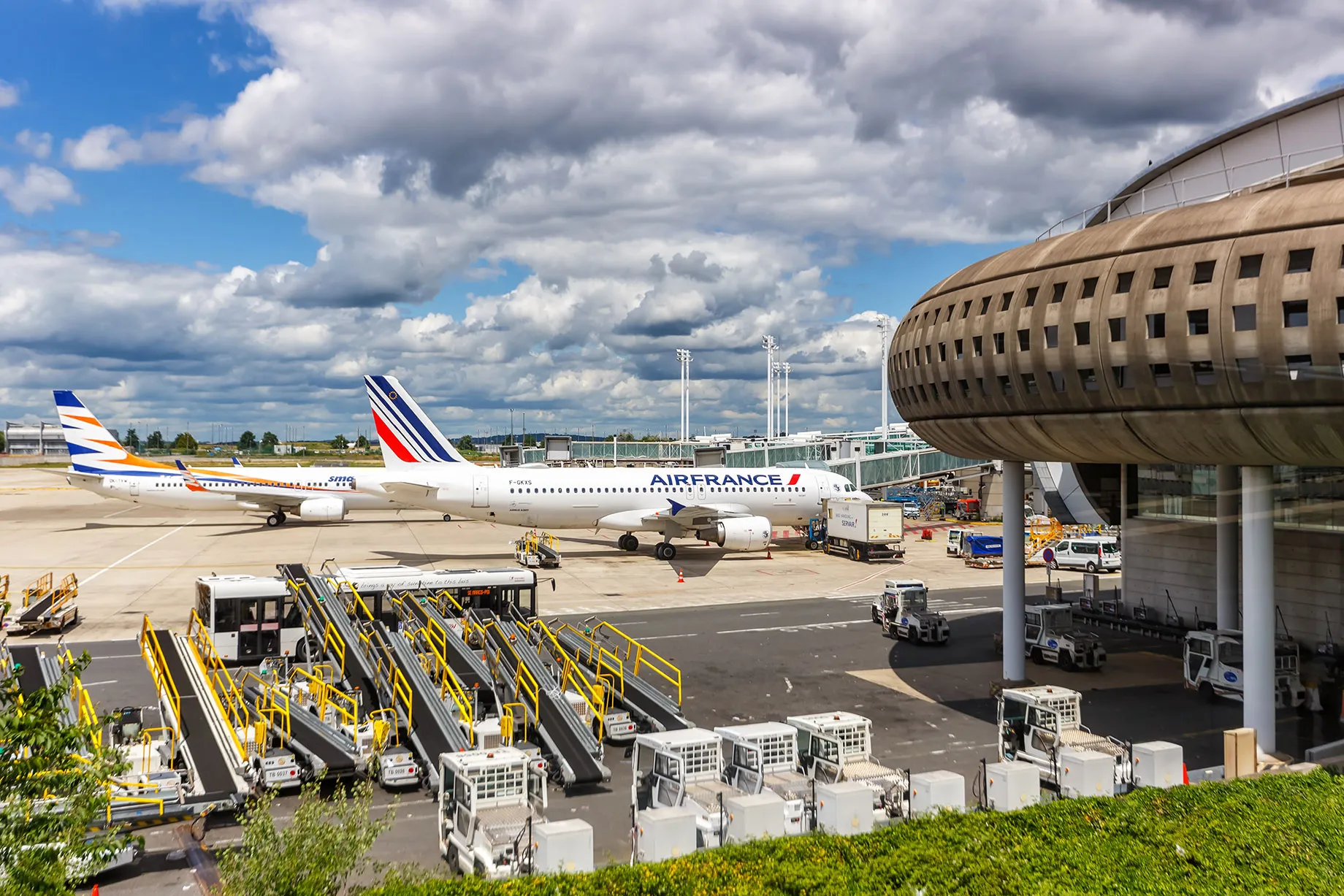
The ride from Charles de Gaulle into Paris is often the first true chapter of your visit. If it goes smoothly, everything after it feels lighter: check in is easier, dinner plans stay intact, and your first evening keeps its spark. If it goes badly, fatigue expands and even simple decisions feel heavy.
That is why this route deserves more attention than a quick price comparison. A good shuttle choice is not just transport, it is emotional logistics. It protects your energy, lowers uncertainty, and helps you meet Paris in the mood it deserves, curious, present, and ready to enjoy every street that comes next.
Table of Contents
Why Paris needed a major new airport
By the middle of the twentieth century, Paris was already one of the world's most magnetic capitals for business, diplomacy, art, and tourism, yet its existing airports were struggling to absorb the scale of modern air travel. Jet aircraft were getting larger, passenger volumes were climbing fast, and city planners understood that the old infrastructure would not be enough for the decades ahead. A new airport in the northeast corridor was not just an engineering project, it was a strategic decision about how France would welcome the world.
That decision eventually produced Charles de Gaulle Airport, a place designed to function as both national gateway and international connector. From the beginning, one challenge stood out clearly: getting people between the airport and central Paris in a way that was reliable, affordable, and understandable. The CDG to city transfer story starts there, not with a single bus route, but with a larger promise that arrival in Paris should feel possible for everyone, not only for seasoned travelers.
The birth of Charles de Gaulle Airport
When Charles de Gaulle Airport opened in the 1970s, its architecture immediately drew attention. Circular forms, long corridors, and futuristic design choices reflected a confidence in aviation as the transport language of the future. Over time, terminals multiplied, airlines expanded, and the airport evolved into a vast ecosystem where transfer efficiency mattered as much as runway capacity.
As CDG grew, so did the complexity of moving passengers from terminal doors to Paris neighborhoods. Early transfer habits mixed taxis, rail, and coach style connections, but demand kept pushing for options that were clearer and more adaptable to different budgets. Shuttle services stepped into that space, offering a practical middle path between high cost private rides and more complex multi leg public routes.
Road links, rail links, and transfer pressure
Paris developed a layered transport network between airport and city, with roads, suburban rail, and intercity lines all playing a role. On paper, this diversity is a strength. In real travel situations, however, arriving passengers often prioritize simplicity over theoretical speed, especially after long haul flights, tight schedules, or language fatigue.
This is where transfer pressure becomes visible. A traveler with two suitcases, a family with sleepy children, or a first time visitor with limited data roaming often prefers one seat and one direction. Shuttle routes respond to that reality by reducing decision points. They may not always be the fastest in every traffic condition, but they are frequently the easiest to execute with confidence.
How shuttle services found their role
Over the years, shuttle offerings became more specialized. Some focused on affordability and fixed city hubs, others on smaller passenger groups and fewer stops, and some on hotel oriented convenience. This diversification reflects a simple truth: no single transfer style fits every traveler or every trip purpose.
What made shuttles enduringly relevant was their practical design language. Clear pickup instructions, visible destination labels, predictable baggage handling, and straightforward boarding created trust. For many visitors, especially those landing in Paris for the first time, that trust is worth almost as much as raw journey time.
Terminals, traffic, and traveler behavior
CDG is not a small airport, and terminal geography influences transfer experience more than most people expect. Two services with similar final drop off points can feel very different if one requires long internal walks or confusing pickup instructions. Good shuttle planning therefore starts at terminal compatibility, not just city destination.
Traffic adds the second major variable. Paris region roads are efficient in many windows and stubbornly slow in others. Experienced travelers now build a time buffer by default and choose departure slots that align with their day priorities. A calm arrival often comes from accepting this variability early rather than fighting it in real time.
Opera, stations, and city gateway hubs
Shuttle drop off strategy is built around gateway zones, places where onward movement is easy. Opera district remains popular because it combines hotel density, walkable boulevards, and strong metro access. Station neighborhoods such as Gare du Nord also matter for travelers continuing by domestic train or regional links.
These hubs are more than map points. They are transition spaces where airport energy turns into city rhythm. You step down from a shuttle, hear a different urban cadence, and begin your stay. Done well, this handoff feels natural, almost invisible, and that is exactly why these central nodes remain essential in transfer planning.
Business travel, tourism, and peak demand
Demand patterns on CDG routes mirror the city's economic and cultural pulse. Business weeks create sharp morning and evening transfer waves, while tourism seasons spread demand across wider daytime windows. Fashion events, major exhibitions, and holiday periods can quickly reshape loading patterns on central routes.
For operators, this means balancing frequency, fleet allocation, and communication quality. For travelers, it means one practical rule: if your day has fixed commitments, prebook and choose a conservative departure window. The more important your first appointment, the more valuable predictable transfer planning becomes.
Accessibility, safety, and practical design
Modern transfer design is increasingly measured by inclusion. Clear signage, step aware boarding options, luggage handling assistance, and understandable customer support all affect whether a service is truly usable. Accessibility is not only about equipment; it is also about communication before and during the trip.
Safety in shuttle travel is generally straightforward: board at official points, confirm operator identity, keep valuables close, and follow staff instructions around loading zones. These habits are simple but powerful. They reduce uncertainty and make arrival logistics feel manageable even at busy terminals.
Strikes, weather, and operational resilience
Like every major European transport corridor, CDG to Paris routes are occasionally affected by rail strikes, weather disruptions, security events, or city wide demonstrations. During these moments, flexibility and communication quality become the true test of a transfer system.
Shuttles often play a stabilizing role when one part of the network is under pressure. Even if travel times grow, the ability to maintain visible pickup points and direct road based continuity can be extremely helpful. Travelers who monitor updates and keep backup options ready usually navigate these days with far less stress.
Tickets, pricing, and smart booking habits
Airport transfer pricing can look similar at first glance, but details matter. Luggage limits, stop counts, cancellation windows, and terminal specific instructions can change the real value of a ticket. Reading those details before purchase is often the difference between a smooth ride and avoidable friction.
Smart booking habits are practical, not complicated: compare by total journey logic, not only headline price; verify exact drop off area; save your confirmation offline; and build time margin around fixed commitments. These small habits pay off immediately, especially on arrival day when attention is already stretched.
Sustainability and lower impact mobility
As cities and travelers think more seriously about emissions, shared transfer modes gain renewed importance. A well loaded shuttle can reduce the number of individual car trips between airport and city, helping ease both congestion and environmental pressure in high demand corridors.
Sustainability, however, is also operational: efficient routing, modern fleets, and informed passenger choices all contribute. Selecting a transfer that combines practical convenience with shared mobility is one small decision that aligns comfort with broader urban responsibility.
What first time visitors should know
First arrivals in Paris are exciting, and sometimes a little overwhelming. The airport is large, signs can feel dense after a long flight, and every option looks urgent in the moment. The best approach is simple: pause, verify your pickup details, and follow one clear plan rather than improvising under pressure.
A small checklist goes a long way: terminal number, operator name, pickup zone, destination hub, and backup route if delays occur. With those five points confirmed, the rest of the transfer becomes much easier. You can look out the window, watch the city approach, and actually enjoy the beginning of your trip.
Why this transfer shapes your whole trip
The ride from Charles de Gaulle into Paris is often the first true chapter of your visit. If it goes smoothly, everything after it feels lighter: check in is easier, dinner plans stay intact, and your first evening keeps its spark. If it goes badly, fatigue expands and even simple decisions feel heavy.
That is why this route deserves more attention than a quick price comparison. A good shuttle choice is not just transport, it is emotional logistics. It protects your energy, lowers uncertainty, and helps you meet Paris in the mood it deserves, curious, present, and ready to enjoy every street that comes next.